


How to Choose School Playground Equipment: A Planning Guide
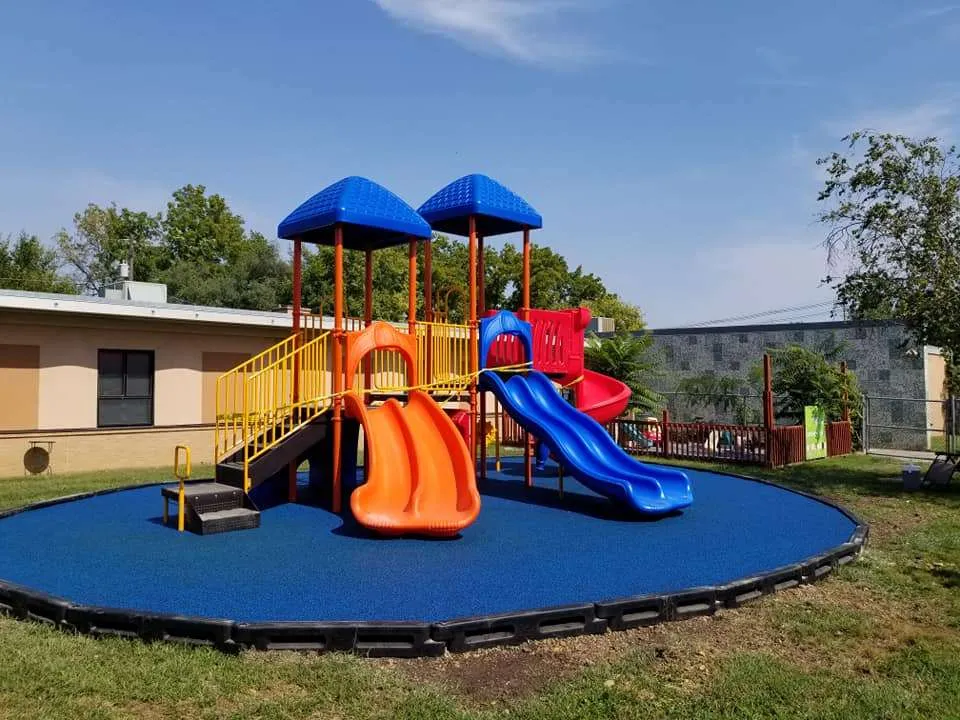
Choosing school playground equipment is not just about finding a structure that fits the available space.
Schools need to think about student age groups, daily recess traffic, supervision, accessibility, surfacing, durability, budget and how the playground will fit into the campus for years to come.
The best starting point is to define how your students will actually use the space before comparing equipment.
This school playground equipment guide walks administrators, facilities teams, school districts, PTOs and other project stakeholders through the practical decisions that should come first.
What Should Schools Consider Before Choosing Playground Equipment?
Before looking at individual play structures, answer a few basic questions about your school:
-
Which student age groups will use the playground?
-
How many students may use it during a typical recess period?
-
Will multiple grades share the space?
-
Where will staff supervise from?
-
What accessibility needs should be considered?
-
How much campus space is available?
-
What is the overall project budget?
-
Will installation need to fit around the school calendar?
-
What level of maintenance can the school realistically support?
Those answers help narrow the equipment options before your team gets attached to a particular structure.
Schools beginning that comparison can review Recreation Installations’ commercial playground equipment options based on age group, available space and project goals.
How Should Student Age Groups Affect Equipment Selection?
Age-appropriate equipment is one of the first decisions a school should make.
The U.S. Consumer Product Safety Commission identifies different developmental ranges for public playground equipment, including preschool-age children and school-age children. Equipment that works well for younger students may not provide the appropriate challenge for older elementary students.
Ages 2–5
Younger children generally benefit from equipment with simpler movement patterns and lower levels of challenge.
Options may include:
-
Low slides
-
Smaller climbers
-
Play panels
-
Sensory activities
-
Balance features
-
Ground-level play components
Ages 5–12
School-age children can typically use equipment with more complex movement and physical challenge.
Options may include:
-
Larger climbing structures
-
Overhead events
-
Slides
-
Bridges
-
Spinners
-
Balance activities
-
Group play features
Mixed-Age Campuses
Elementary schools serving several grades may need different activity zones or equipment that clearly distinguishes levels of challenge.
The goal is not simply to fit as many activities as possible into the playground. It is to create a space where the equipment makes sense for the students using it.
How Can Playground Layout Support School Supervision?
A playground can have great equipment and still be difficult for staff to supervise.
Schools should review sightlines before approving a layout. Large structures, enclosed components and poorly positioned equipment can make some areas harder to monitor during recess.
Think about where teachers and staff are likely to stand and how students will move throughout the space.
A practical school playground layout should consider:
-
Clear sightlines across major play areas
-
Entry and exit points
-
Movement between active play components
-
Separation where different age groups need different challenges
-
Areas where students may gather
-
Accessible routes through the playground
-
Space around high-use activities such as swings and slides
The playground needs to work during a busy school day, not just look good on a rendering.
What Safety Standards Should Schools Review?
Schools should understand which safety and accessibility references apply to their project before equipment is purchased.
The U.S. Consumer Product Safety Commission Public Playground Safety Handbook provides voluntary guidance covering subjects such as age appropriateness, equipment layout, use zones, fall hazards and protective surfacing.
Schools should also review applicable ASTM playground standards, accessibility requirements and any requirements established by the school district, municipality, insurer or other authority involved with the project.
ADA accessibility should also be considered early. Accessible routes and play components are easier to coordinate when they are part of the initial equipment and layout decisions rather than added later.
Safety planning should therefore happen before colors, themes or optional playground features become the main conversation.

How Should Schools Plan for Accessibility and Inclusive Play?
Accessibility is part of the overall playground plan.
The U.S. Access Board’s accessibility standards address accessible routes and accessible play components in covered newly constructed and altered play areas.
For a school project, that means considering how students with different mobility and accessibility needs can reach and participate in play activities.
Depending on the playground, that may involve:
-
Accessible routes
-
Ground-level play components
-
Transfer systems
-
Ramp access
-
Sensory activities
-
Musical play
-
Accessible surfacing
-
Multiple ways to participate
Accessibility and inclusive play are related, but they are not exactly the same thing.
Meeting minimum accessibility requirements establishes a baseline. Schools can also think more broadly about whether students with different abilities have meaningful choices and opportunities to play together.
Which Playground Surfacing Works Best for Schools?
Surfacing should be considered at the same time as equipment because the two affect the complete playground budget and how the space functions.
Common commercial playground surfacing options include poured-in-place rubber, engineered wood fiber and rubber mulch.
Poured-in-Place Rubber
Poured-in-place playground surfacing creates a continuous surface and is commonly considered for schools where accessibility and ease of movement are important project priorities.
Schools should account for the initial investment as well as long-term maintenance requirements when comparing it with other options.
Engineered Wood Fiber
Engineered wood fiber playground surfacing can offer a more budget-conscious option for many school playground projects.
Because it is a loose-fill material, schools should also consider the ongoing maintenance needed to maintain appropriate coverage and performance.
Rubber Mulch
Rubber playground mulch is another loose-fill option schools may consider depending on the project.
No surfacing choice is automatically best for every campus. Budget, accessibility priorities, maintenance capacity, equipment fall heights and how the playground will be used should all be considered.
How Durable Should School Playground Equipment Be?
School playgrounds can see concentrated use every day.
That makes durability especially important.
Rather than judging equipment from one material specification, look at the complete system:
-
Structural materials
-
Protective coatings
-
Hardware
-
Fasteners
-
Moving components
-
Deck surfaces
-
Panels
-
Replacement-part availability
-
Manufacturer support
-
Warranty terms
Climate matters too. Midwest playgrounds can experience heat, freezing temperatures, precipitation and significant seasonal changes.
Schools should choose equipment and finishes appropriate for their location and expected use rather than selecting features based only on appearance.
Before finalizing a manufacturer or system, review the applicable playground equipment warranty information so your team understands what is covered and what responsibilities remain with the owner.
How Much Should a School Budget for a Playground?
The equipment price is only one part of a school playground budget.
Depending on the project, the overall budget may also need to account for:
-
Freight
-
Installation
-
Protective surfacing
-
Accessibility features
-
Borders or ramps
-
Shade or seating
-
Removal of existing equipment, when handled separately
-
Work required by other contractors or the school
-
Future maintenance
That is why comparing two equipment quotes based only on the structure price can be misleading.
Our commercial playground equipment cost guide explains the major factors that affect overall playground project budgets.
Schools working within capital-improvement or other budget constraints can also review available commercial playground financing options.
What Campus Conditions Should Schools Review Early?
Before finalizing equipment, schools should understand whether the available area presents conditions that could affect the project.
That does not mean every school needs an extensive site study before discussing playground options.
It does mean the project team should identify obvious considerations early, including:
-
Available playground dimensions
-
Existing sidewalks and accessible routes
-
Fencing and gates
-
Delivery and installation access
-
Nearby buildings or other campus features
-
Existing equipment that may need to remain or be removed
-
Known underground utilities
-
Conditions that may require evaluation by the appropriate contractor or district team
Recreation Installations can help schools understand how equipment, surfacing, delivery and installation requirements fit together, while site work outside that scope should be coordinated with the appropriate party.
That distinction is useful because it keeps responsibilities clear before the project reaches installation.
When Should Schools Plan Playground Installation?
Schools often have tighter scheduling constraints than other playground buyers.
Recess schedules, school events, campus access and academic calendars can all affect when work is practical.
The equipment itself may also require manufacturing and freight time before installation can begin.
That is why the installation conversation should start during planning rather than after equipment has already been ordered.
Our guide to the commercial playground installation process explains the major stages from project planning through equipment installation and closeout.
Schools that are ready to discuss professional installation can also review Recreation Installations’ commercial playground installation services.
What Questions Should Schools Ask Before Choosing Equipment?
A useful vendor conversation should help your school compare more than price.
Ask:
-
What student age group is this structure designed for?
-
How will the layout work during a busy recess period?
-
Can staff maintain clear supervision sightlines?
-
What safety guidance and standards apply to this equipment?
-
What accessible play opportunities are included?
-
Which surfacing options work with the equipment and project goals?
-
What maintenance will the equipment require?
-
How readily are replacement parts available?
-
What does the manufacturer warranty cover?
-
What is included in the equipment and installation quote?
-
What responsibilities remain with the school or other contractors?
-
Can the playground be expanded later if enrollment or funding changes?
These questions help administrators, facilities teams and funding stakeholders evaluate the same priorities instead of comparing playgrounds only by size or appearance.

How Can Schools Compare Their Final Playground Options?
Once your team has narrowed the choices, use the same criteria for every option.
| Planning Area | What the School Should Confirm |
|---|---|
| Students | Age groups, number of users and appropriate challenge |
| Safety | Equipment guidance, use zones and surfacing requirements |
| Supervision | Sightlines, circulation and high-traffic areas |
| Accessibility | Accessible routes and varied play opportunities |
| Durability | Materials, finishes, hardware and replacement parts |
| Surfacing | Accessibility, maintenance and budget fit |
| Budget | Equipment, freight, installation, surfacing and long-term costs |
| Operations | Maintenance expectations and school-calendar considerations |
| Growth | Ability to phase or expand the playground later |
The strongest choice is usually not simply the least expensive structure or the playground with the most components.
It is the option that best fits the students, campus, budget and long-term responsibilities.
Why Does School-Specific Playground Planning Matter?
Schools use playgrounds differently from many other organizations.
A playground may serve several recess periods in one day, after-school activities and other school functions. Teachers and staff need practical supervision. Facilities teams need equipment they can maintain. Administrators have budgets and timelines to manage.
Those realities should influence the playground from the beginning.
Recreation Installations helps schools across Missouri and the Midwest work through equipment, surfacing and installation decisions with practical guidance based on the students, available space, budget and project goals.
The objective is not to sell the biggest playground that fits the site.
It is to help your school choose a playground that makes sense for the people who will use and maintain it every day.
Frequently Asked Questions About School Playground Equipment
What should schools consider first when choosing playground equipment?
Start with the students who will use the playground. Confirm age groups, expected use, available space and supervision needs before comparing specific equipment.
What age is considered school age for playground equipment?
The CPSC Public Playground Safety Handbook identifies school-age children as ages 5 through 12. Schools serving younger children should also review equipment guidance appropriate for those age groups.
Does school playground equipment need to be accessible?
Covered newly constructed and altered play areas are subject to applicable ADA accessibility requirements. Accessibility should be considered during initial equipment, route and surfacing planning.
What playground surfacing should a school choose?
The right choice depends on equipment fall heights, accessibility goals, maintenance expectations and budget. Poured-in-place rubber, engineered wood fiber and rubber mulch are among the options schools may compare.
How should schools budget for playground equipment?
Plan beyond the equipment price. Freight, installation, surfacing, accessibility features and long-term maintenance can all affect the total project budget.
Should installation be planned before equipment is ordered?
Yes. Discussing installation early helps the school understand access, scheduling, project responsibilities and other requirements before the equipment order is finalized.
Planning a Playground for Your School?
A school playground needs to work for students, teachers, facilities teams and the budget supporting the project.
Recreation Installations helps schools compare equipment, surfacing and installation options based on how the playground will actually be used.
If your school or district is planning a new playground or replacing an existing one, request a playground project quote and tell us about your students, available space, budget and project goals.